Amaranth squalene: a substitute for shark liver oil
Adrian Troncoso-Ponce, an associate professor at UTC, specializes in the study of plant metabolism. He is also the head of sustainable development and the coordinator for the “sustainable engineering” label within the UTC-GEC laboratory. He is currently working on the “Squale” project, funded by INRAE since 2025.
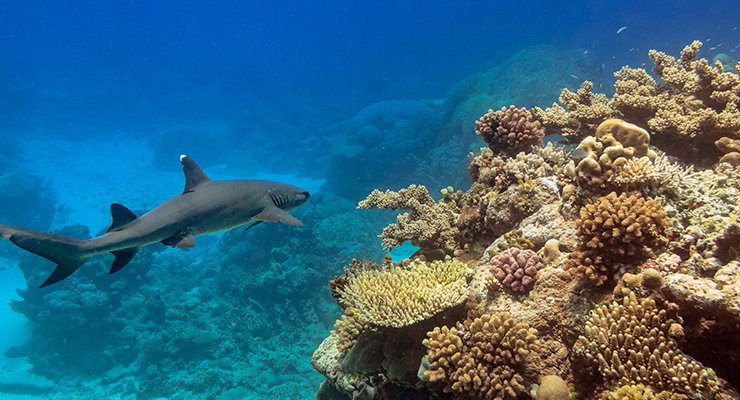
After working at INRAE, Adrian Troncoso-Ponce joined UTC. He quickly became interested in the issue of squalene, a lipid extracted from shark liver. This lipid, which occurs naturally in the skin’s sebum, plays an important antioxidant role. As a result, the cosmetics industry is a major consumer. It is also used in dietary supplements and as an adjuvant in certain vaccines. This led Adrian Troncoso-Ponce to conduct research aimed at finding a plant-based alternative to reduce the reliance on overfishing of sharks. “The INRAE research team has developed a large number of plant lines, including amaranth lines—a plant that produces squalene in much greater quantities than other plants. For the ‘Squale’ project, INRAE provided us with amaranth seeds; our role is to understand the ‘why’ behind this high squalene production in amaranth. To do this, we will extract the squalene plant substitute from each seed to determine, among these lines, which one produces the most and which the least and to identify the genes involved in the production and accumulation of these metabolites,” he explains.
The gene expression results for this varying squalene production across the different lines will then be transferred to INRAE’s Department of Applied Biology. “The large-scale production of plant-derived squalene—in this specific case, from amaranth—will ultimately make it possible to reduce our dependence on, or better yet, our use of, lipids derived from shark liver, as well as avoid the use of transgenic techniques,” concludes Adrian Troncoso-Ponce.
MSD