A Multi-Award-Winning Thesis
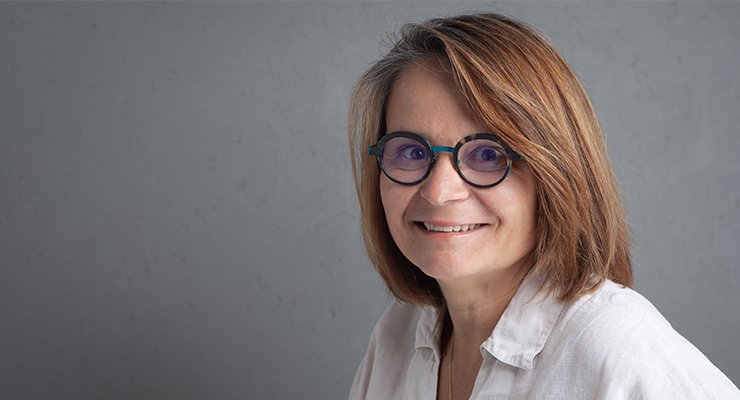
Nathalie Molines is a lecturer-cum-research scientist at the UTC-Avenues laboratory in the Department of Urban Engineering. Together with Katia Chancibault from the Water and Environment Laboratory (LEE) at Gustave-Eiffel University, 77420 Champs-sur-Marne and Bernard de Gouvello from CEREMA, she co-supervised Saray Chavez’s thesis (2020–2024).
Focusing on the impact of urban planning documents on r ain-water management at the source, Saray Chavez’s thesis was honoured at the 2025 “Grand Prix” (for urban context theses). It also received the 2025 Open Science Thesis Award in the “interdisciplinary and transverse” category. For a long time, rainwater—often considered a waste product—has been discharged (via combined or separate sewer systems) to wastewater treatment plants. During heavy rainfall spells, these systems can become overwhelmed, leading to the direct discharge of untreated water into the natural environment. Furthermore, runoff from impervious surfaces contributes to water pollution before it enters the sewer systems.
Rainwater management at the source offers a different approach: promoting water infiltration where it falls, particularly through vegetation and reducing soil imperviousness. This strategy reduces the volume of water discharged into the systems, while helping to combat urban ‘hot spots’, enhance biodiversity and generally improve quality of life.
Its implementation, however, depends heavily on local urban planning (PLU), which translate public policy goals into building regulations. Through these regulations, they can encourage “greening”, limit soil sealing, or mandate rainwater management systems at the source.
Two complementary approaches have been developed. The first, qualitative, analyses the life cycle of an urban planning regulation, from its drafting to its application during the review of a building or development permit. The second, quantitative and spatialized, cross-references the characteristics of urban planning rules with those of a panel of 23 alternative solutions tailored to the specificities of the territory to produce an implementation potential index. This tool makes it possible to estimate the influence of regulations on the implementation of each solution and to assess their suitability for the region’s needs.
This thesis is part of a collaborative research initiative, closely involving researchers and operational stakeholders from the Nantes metropolitan area. Co-creation workshops were organized throughout the thesis to test scientific hypotheses against operational practices, refine methodological choices and validate the tools and indicators developed. This direct involvement of local agencies strengthened both the scientific robustness of the results and their adoption by local stakeholders.
This research brings together three disciplines that have historically had little interaction: regulatory urban planning, territorial decision support and urban hydrology. This multidisciplinary approach served as a key lever for conducting original research at the interface between scientific output and public action.
“Local authorities often develop urban planning regulations without having tools that allow them to concretely anticipate their effects on territorial adaptation. This thesis helps fill this gap by proposing a method of analysis and decision support, tested using the case of the Nantes Metropolitan Area,” notes Nathalie Molines.
This momentum is being extended. The ANR so-called Permépolis project explores the issue of urban de-impermeabilization. A new thesis, launched last October (funded by Gustave-Eiffel University), is also underway. Supervised by the same research team, it focuses on the development of adaptation scenarios and their hydroclimatic assessment.
MSD