Energy-efficient artificial intelligence for electric mobility
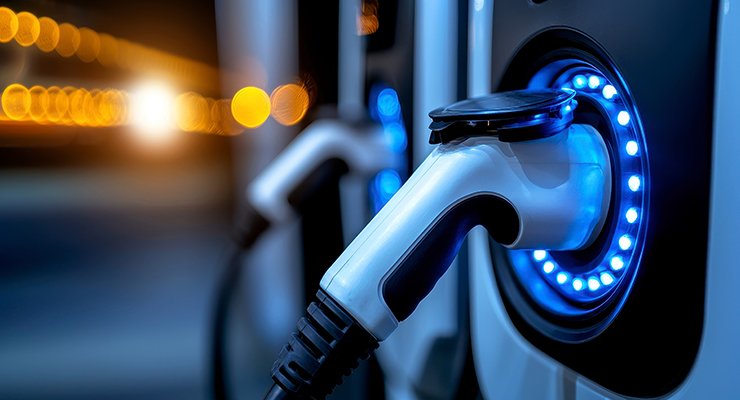
On October 2, 2026, the fifth edition of the Artificial Intelligence Forum was dedicated to the theme ‘AI for electric mobility’, with a particular focus on energy-efficiency.
This event aimed at fostering a constructive dialogue between the worlds of research and industry in order to explore new avenues for innovation is organised with the support of the UTC Foundation and the UTYC-SAFE AI Chair, in partnership with GIS S.mart, which brings together 35 higher education and research institutions spread across mainland France.
S.mart signifie Systems Manufacturing Academics Resources Technologies. Cf. S.mart – System Manufacturing Academics Resources Technologies
Why this theme? “Initially, we planned to dedicate this edition to the topic of ‘batteries and AI’, but very quickly, together with my colleagues—including Benjamin Quost and Sébastien Destercke—we decided to broaden it to include electromobility, on order to cover the entire electric powertrain and engage a wider academic and industrial network”, explains Nicolas Damay, one of the co-organisers and a lecturer-researcher at UTC’s Roberval Laboratory.
Who were some of the speakers? “Notably, we heard Emmanuel Batista from Alstom, a partner company with whom we are working on batteries, with the aim of ensuring maximum durability. Alejandro Franco, for his part, advocates the use of AI, particularly to simulate complex physical models (based on validation data) in order to speed up simulations. Finally, Benjamin Quost is working with Renault on the energy optimisation of electric vehicles by combining physical knowledge (battery, inverters, motors) with complex environmental data,” he emphasises.
What avenues have been outlined? “All the speakers emphasised the need for a measured approach. Emmanuel Batista suggested using AI to process large volumes of data from train fleets that are continuously monitored. He demonstrated that, if the problem is properly framed, a relatively simple neural network is sufficient to identify indicators of ageing, such as a battery’s electrical resistance. Physics First is the watchword of ’Alejandro Franco. In his view, AI must be grounded in human and physical knowledge to be effective,” he explains.
And everyone emphasised the role of humans, particularly during the round-table discussion. “Contrary to alarmist talk of autonomous ‘superintelligence’, humans remain, in the eyes of all the speakers, essential for properly defining the problem, guiding AI and seeking solutions. And when it comes to education, they all emphasise the importance of maintaining a solid foundation and a critical mindset amongst young people and operate on the principle that any solution must be explainable, substantiated and justified”, concludes Nicolas Damay.
A successful event, given the highly specialised nature of the topic, with dozens of people attending in person – including PhD students – and over 1 000 views on the YouTube platform.
Watch the lectures and the round-table discussion at: www.youtube.com/live/Ymfcg5l2ews
MSD